Best Sauna Blanket (2026): Picks for the Budget-Curious
The best infrared sauna blankets in 2026 compared: HigherDOSE, BON CHARGE, and budget options. Who they work for and who they disappoint.
Budget
Quick answer: BON CHARGE and HigherDOSE both list at $699. BON CHARGE has the more adjustable Velcro closure and a 176°F maximum; HigherDOSE lists 175°F, includes a cotton towel insert, and offers a 120-day return window. Neither recreates a sauna room, so the real question is whether you will keep using the blanket format.
Best for
Budget-conscious buyers testing infrared, apartment dwellers with no room for a cabin, or anyone curious about the blanket trend.
Wrong fit
Anyone who already knows they want a real sauna experience. Blankets are a different product category.
Tradeoff
Blankets cost 1/10th of a cabin but deliver a fraction of the experience. Great for testing the habit, risky as a permanent solution.
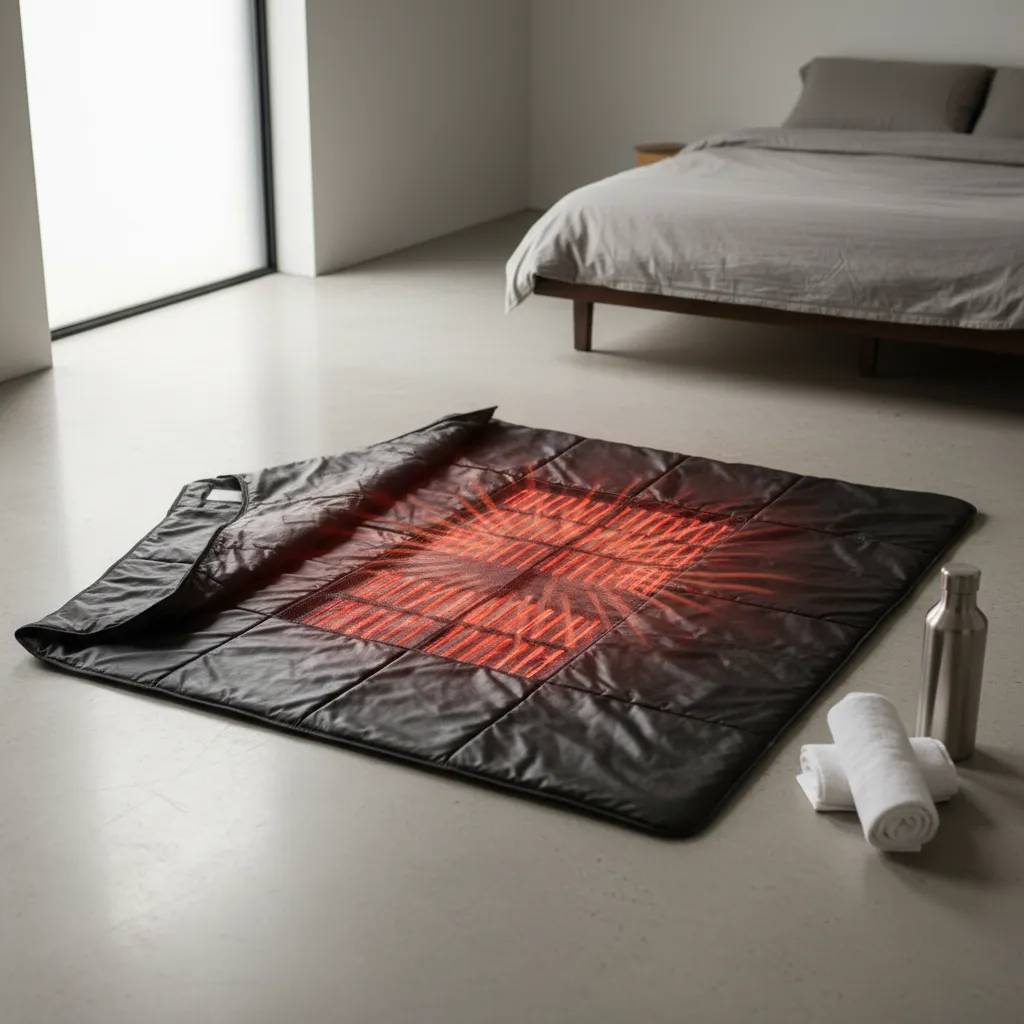
Sauna blankets are the lowest-friction entry point into infrared heat therapy. Unroll it, lie down, zip in, sweat, wipe it down, roll it back up. No electrician. No construction. No landlord conversation.
That simplicity is the product's best feature. It is also the reason most blanket owners quietly stop using theirs within a few months.
This guide is for people who want straight answers before spending $400-700 on something that might end up in the closet.
Affiliate disclosure: HigherDOSE may pay us a commission if you buy through the marked link in this guide. It does not change the price you pay, our comparison, or the fact that BON CHARGE remains a separate recommendation. Read our affiliate disclosure.
Quick shortlist
Best fit
Pick
Why
Best adjustable closure
BON CHARGE Infrared Sauna Blanket
Velcro fit, published 176°F maximum, one-year warranty
Best return window and brand recognition
HigherDOSE Infrared Sauna Blanket
Published 175°F maximum, cotton insert, 120-day return window
Budget test drive
Amazon blankets ($130-200)
Only if you truly cannot afford more and accept the quality risk
BON CHARGE vs HigherDOSE: the real comparison
These are the two blankets worth comparing. Everything else is either a rebrand, a budget gamble, or both.
BON CHARGE Infrared Sauna Blanket
BON CHARGE's current product page lists a 176°F maximum, a low-EMF design, and a one-year warranty. The adjustable Velcro closure is its clearest practical advantage: it is easier to loosen, easier to get in and out of, and has no long zipper to fail. The current US list price is $699.
Those are manufacturer-published specifications, not measurements we made. BON CHARGE's current page does not show a comparable public EMF test number, so EMF is not a fair tie-breaker here. Check the current BON CHARGE product details before ordering.
The downside is still brand recognition. BON CHARGE does not have the same resale awareness or influencer pipeline. If social proof and a longer return window matter to you, this is where it falls short.
HigherDOSE Infrared Sauna Blanket
HigherDOSE owns this category in terms of awareness. The brand is everywhere. That matters less for the sweat and more for resale value if you decide blankets are not for you.
The current product page lists $699, a 10-15 minute preheat, nine heat levels up to 175°F, 350-420W draw, a one-year limited warranty, and a 120-day money-back guarantee. It also includes a GOTS-certified organic cotton towel insert. Those are HigherDOSE's published specifications and policies, not our measurements; verify the current product details before checkout.
The zipper closure is clean but less forgiving than Velcro if you are between sizes or want to adjust airflow mid-session. Its 175°F published maximum is effectively tied with BON CHARGE's 176°F, so temperature is not a meaningful reason to pay for one over the other.
The budget tier
Blankets in the $130-200 range exist on Amazon under various brand names. Some work fine for a few months. Some arrive with uneven heating, questionable materials, or vague safety certifications.
If your real goal is to test whether you enjoy lying in infrared heat before spending real money, a budget blanket can serve that purpose. But if it breaks or underperforms, you have not actually tested the concept. You have tested a bad product.
What blankets are good at
Low entry cost. $400-700 vs $3,000-10,000 for a cabin.
Zero installation. Plug into a standard outlet. Done.
Apartment-friendly. No space requirements beyond a floor and a power socket.
Testing the habit. If you have never done regular infrared sessions, a blanket tells you whether you will actually commit before you spend thousands.
What blankets are bad at
Replicating a sauna. You are lying flat, wrapped in material. There is no hot room, no bench, no breathing space, no ritual. The experience is closer to a heated sleeping bag than a sauna.
Long-term retention. The setup friction is low, but the experience friction is high. Lying on the floor, zipping yourself in, sweating into a bag, cleaning up after. Many owners report the routine feels like a chore by month three.
Social use. Blankets are a solo activity. No sharing, no conversation, no sauna culture.
The science
A 2024 randomized controlled trial found that infrared blanket use increased melatonin, serotonin, and nitric oxide levels. Sounds promising. But the study included 24 men and ran for a limited period. It is a signal, not a conclusion.
Weight loss claims tied to blankets are water weight. You will weigh less after a session. You will weigh the same again after drinking water. This is not controversial. It is just physics.
The real benefit most users report is relaxation and better sleep. Those are real. They are just not unique to blankets. A hot bath, a full infrared cabin, or even a solid wind-down routine can do the same.
Who should buy a blanket
You are a good candidate if:
you rent and cannot install anything permanent
you want to test infrared before committing to a home sauna, and the blanket price fits your budget
you travel frequently and want something portable
you genuinely enjoy the lying-down format (some people do)
Who should skip the blanket
Skip it if:
you already know you want a real sauna. A blanket is a detour, not a stepping stone. The experience gap between a blanket and even a small infrared cabin is massive.
you have tried a blanket at a friend's place and felt underwhelmed. That feeling does not improve with ownership.
you are buying it because of influencer content. The people promoting blankets are being paid to promote blankets. That does not mean the product is bad. It means the enthusiasm is not organic.
Blanket vs portable sauna vs saving up
This is the decision most blanket buyers should actually be making.
Option
Cost
Experience
Long-term value
Sauna blanket
$400-700
Lying in infrared heat. Functional, not immersive.
Low if you stop using it. Decent if you genuinely use it weekly.
Sitting upright, more enclosure, closer to a sauna feel.
Similar retention risk, slightly better experience.
Save for a cabin
$2,500-5,000+
The real thing. Hot air or infrared in a proper space.
High if you commit. The sauna you actually use wins.
If you are not sure which path fits, the sauna brands guide can help narrow it down based on your space, budget, and goals.
The blanket-to-cabin pipeline
Some blanket buyers do graduate to cabins. That is a real path. If the blanket teaches you that you love regular heat sessions and want more, it has done its job.
But be honest about the odds. Most blanket purchases are not the first step in a journey. They are the whole journey. And for many buyers, that journey ends in a closet.
If you suspect you will want a real sauna within a year, the math often favors skipping the blanket and putting that $700 toward the real purchase instead.
Plain recommendation
BON CHARGE if you prefer the adjustable Velcro closure and want the slightly higher published maximum temperature.
HigherDOSE if the 120-day return window, included cotton insert, and stronger resale awareness matter more to you.
Skip the blanket entirely if you already know you want a real sauna and are using the blanket as a way to delay that decision.
The best sauna is the one you actually use. For some people, that is a blanket. For most, it is not. Know which group you are in before you buy.
Methodology
These guides are built from manufacturer documentation, public specifications, primary research where health claims matter, and repeated buyer questions that show up in real ownership and installation decisions.
Manufacturer responses can clarify pricing bands, warranty terms, support footprint, or common mistakes. They do not move a page up the shortlist on their own.